Best eSIM for Japan Travel: Maps, Mobile Payments, and Ski Trips
Published: April 30, 2026
Author: Bond - Siwrat Kongthon
How to choose an eSIM for Japan travel, ski trips, maps, payments, AI tools, family groups, and mountain resort connectivity.
Best eSIM for Japan Travel: Quick Answer
For most Thailand-based skiers and Japan visitors, the best eSIM for Japan is a data plan that works with your phone, can be installed before departure, has enough data for maps and daily travel apps, and performs well across major cities, airports, train routes, and ski areas.
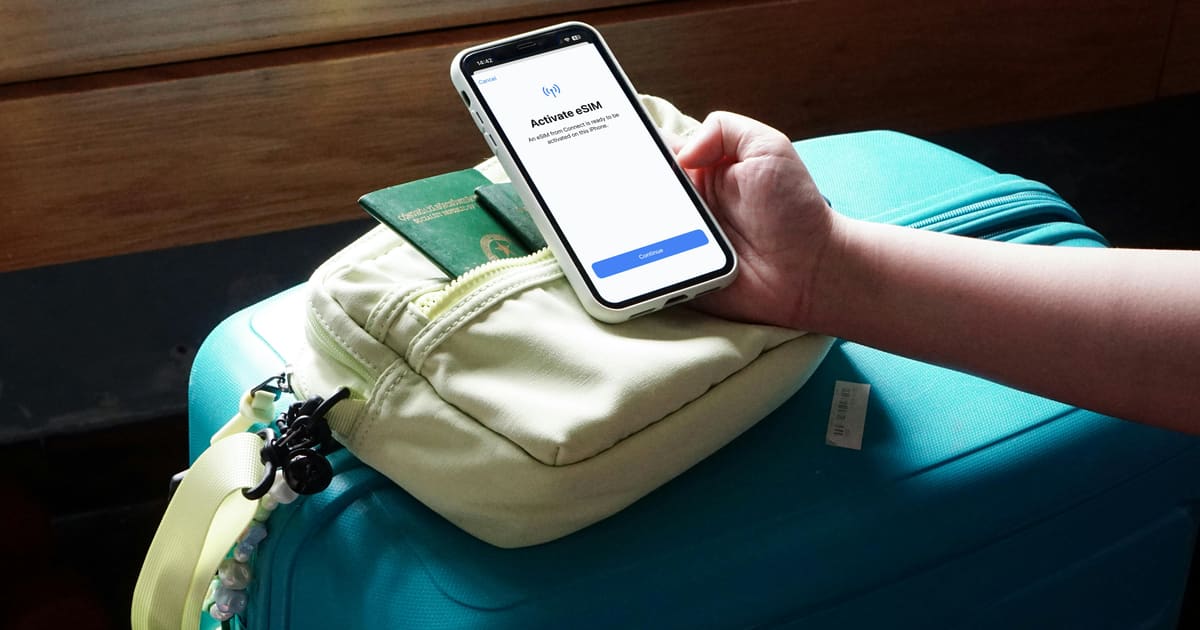
Do not choose only by price. Check your phone compatibility, data allowance, tethering support, speed limits, activation rules, refund policy, and whether the provider clearly explains its Japan network or roaming setup. Apple notes that international eSIM use requires a supported iPhone, a carrier or worldwide provider that supports eSIM, and usually a Wi-Fi or hotspot connection for setup. iPhones with a SIM tray can use both a physical SIM and an eSIM while traveling.
For Japan travel, mobile data is used for more than social media. You may need it for Google Maps, train routes, LINE, translation, Payke, restaurant search, hotel messages, mobile payments, and group coordination. If your trip includes Hokkaido, Hakuba, Myoko, or other ski areas, choose enough data for long transfer days and mountain use.
A Japan eSIM is usually easier than pocket WiFi for solo travelers, couples, and SnowCrewTH members who move between airports, trains, hotels, ski resorts, and city add-ons. Pocket WiFi can still make sense for families who want one shared device, but it adds extra steps: pickup, charging, return, and deciding who carries it each day.
If you are planning a Japan ski trip, buy and install the eSIM before flying whenever the provider allows it. Keep your Thai SIM active if possible for banking OTPs, account verification, and emergency messages, then use the eSIM for mobile data in Japan.
For payments, remember that Japan travel apps can have device and country restrictions. For example, JR East says Welcome Suica Mobile works only on Apple Pay supported devices, and app download or top-up features may be restricted by law in some countries. Check your payment apps before departure instead of assuming they will work after landing.
Do You Need an eSIM in Japan?
Japan has free Wi-Fi in many airports, stations, hotels, cafes, and tourist facilities, and the Japan.Free Wi-Fi mark helps visitors identify public Wi-Fi spots. But free Wi-Fi is still not enough for a smooth trip, especially when you are moving between cities, trains, buses, ski resorts, and shopping areas.
The moments when you need data are often the moments when free Wi-Fi is not available: finding the right train platform, messaging your group after a delayed flight, checking a bus stop in Niseko, translating a restaurant menu, contacting a hotel, or scanning a product label in a drugstore.
For Japan ski trips, mobile data matters even more. Mountain towns are less forgiving than Tokyo or Osaka. You may need data for:
- Google Maps or Apple Maps
- LINE group chat
- Hotel and transfer messages
- Resort shuttle routes
- Weather and lift status
- Restaurant reservations
- Translation apps
- Payke product scanning and coupons
- Digital tickets and QR codes
- Family coordination when people split up
If your Japan route includes shopping days, install Payke before you go and make sure your eSIM works inside stores. Payke says its app lets travelers scan product barcodes to check ingredients and usage instructions in their own language, and it is designed for use in drugstores, electronics retailers, discount shops, and other stores across Japan.
Our Payke Japan shopping app guide explains barcode scanning, coupons, product reviews, and invitation code setup.
eSIM vs Pocket WiFi vs Thai Roaming
There are three practical ways to stay connected in Japan.
| Option | Best for | Main downside |
|---|---|---|
| Japan eSIM | solo skiers, couples, frequent movers, and ski trips where people split up during the day | your phone must support eSIM, and setup needs to be done correctly |
| Pocket WiFi | families sharing one data source, groups staying together, and older phones without eSIM support | battery life, pickup and return, and one person has to carry the device |
| Thai roaming | short trips, simple backup data, and travelers who do not want extra setup | often more expensive per GB, and speed may reduce after fair-use limits |
For most SnowCrewTH groups, eSIM is the cleanest default. Each person has their own data, parents can message children or instructors, and no one loses connection because someone walked away with the pocket WiFi.
Pocket WiFi is still useful when several people have phones without eSIM support, or when a family wants one simple rental device for city days. If you choose pocket WiFi, bring a power bank and decide who carries it during ski days.
What to Check Before Buying a Japan eSIM
Before buying a Japan eSIM, check these details:
- Phone compatibility: your phone must support eSIM and be carrier-unlocked.
- Activation timing: some plans start when installed, while others start when they first connect to a network in Japan.
- Data amount: 3 to 5 GB may be enough for light users, but ski trips, families, maps, video, translation, and social sharing usually need more.
- Validity: choose a plan that covers your full trip, including city days before and after skiing.
- Coverage: check which Japan network the provider uses and whether coverage is suitable outside major cities.
- Tethering: useful if you need to share data with a laptop, child’s device, or second phone.
- Speed limits: some “unlimited” plans reduce speed after daily or total fair-use limits.
- Support: choose a provider with clear installation steps and reachable support before departure.
The cheapest Japan eSIM can become expensive if it fails on arrival day. For winter trips, especially with family or group logistics, reliability matters more than saving a few dollars.
Best eSIM Setup for a Japan Ski Trip
For a 7 to 10 day Japan ski trip, this setup works well:
1. Buy the eSIM 3-7 days before departure.
2. Install it at home while you still have stable WiFi.
3. Keep your Thai SIM as the primary line for calls and SMS.
4. After landing, set the Japan eSIM as your mobile data line.
5. Turn off data roaming on your Thai SIM unless you plan to use it.
6. Download offline maps for Tokyo, Sapporo, Osaka, and the ski town.
7. Before leaving the airport, test LINE, maps, translation apps, Payke, banking apps, and any AI tools you plan to use.
If your route starts in Hokkaido, also read our Bangkok to Hokkaido flight guide. Flight timing, New Chitose Airport transfers, and arrival-day eSIM setup can all affect how smooth your first day feels.
Mountain Resort Connectivity
Good coverage in Tokyo or Osaka does not always mean the same plan will feel strong in Hokkaido, Hakuba, Myoko, or smaller mountain areas. Ski towns can have weaker signal inside hotels, on shuttle routes, in valleys, and around some lift areas.
For ski trips, check these points before buying:
- Coverage around your chosen resort
- Whether the eSIM supports tethering
- Whether speeds drop after a daily or total fair-use limit
- Whether you can top up data inside the provider app
- Whether the provider offers support if activation fails
Do not rely on mobile data for safety-critical mountain decisions. Resort maps, lift rules, weather reports, visibility conditions, and patrol instructions still matter more than any app.
For broader trip planning, read our Japan ski trip cost guide and first-time Japan ski trip guide.
AI Access in Japan: ChatGPT, Claude and Other Tools
Japan is usually much easier than China for AI tools, but app access is still worth checking before you travel. ChatGPT and Claude list Japan as a supported location, but real-world access can still depend on your account region, app version, login state, provider routing, and security checks.
If you depend on AI tools during travel, test them before departure and again after landing. Do not wait until you need to translate a message, summarize a hotel policy, check a train instruction, or handle work while the group is moving.
Before leaving the airport, test:
- ChatGPT web and app
- Claude web and app
- Google services
- Work email and cloud documents
- Translation apps
- LINE and hotel messaging
For China, the eSIM question is much more serious because AI access, maps, payments, and some international apps can depend heavily on provider setup and roaming profile. If China is on your future route, read our China eSIM and AI access guide.
Provider and Marketplace Options
Use these provider pages as starting points for comparing coverage, data limits, validity, hotspot rules, top-up options, and setup steps. This is not a ranking.
- Airalo Japan eSIM - a popular travel eSIM marketplace with app-based purchase, setup, management, and top-up options. Airalo also says tethering can be used when supported by the device and network.
- Nomad Japan eSIM - useful for comparing fixed-data packages, validity periods, and app-based setup. Nomad lists Japan plans and offers eSIMs across 200+ destinations.
- Ubigi eSIM data plans - a common option for Japan and multi-country data. Ubigi lists Japan plans such as 10GB for 30 days and says users can top up through the app. Some “unlimited” plans still have fair-use speed rules, so read the plan details carefully.
You can also compare Japan eSIMs through travel marketplaces, airlines, booking platforms, and telecom resellers. Before buying, check the actual provider behind the product, not only the checkout brand.
The important details are network coverage, activation rule, data amount, validity, tethering, top-up options, support, refund policy, and whether the plan fits your full route, especially if you are going beyond Tokyo or Osaka into Hokkaido, Hakuba, Myoko, or other ski areas.
Setup Checklist Before Flying from Bangkok
Before leaving Thailand, make sure your Japan eSIM and key travel apps are ready.
- Confirm that your phone supports eSIM and is carrier-unlocked.
- Install the eSIM while connected to stable home Wi-Fi.
- Save the provider’s support page, app login, and order details.
- Screenshot the QR code or manual activation instructions.
- Keep your Thai SIM active for OTPs and account verification.
- Download offline maps for your arrival city and ski destination.
- Install Payke if you plan to shop in Japan.
- Check LINE group notifications before the trip starts.
- Test translation apps, maps, banking apps, and AI tools.
- Bring a power bank for transfer days and cold resort days.
For luggage and small tech items, cross-check our Japan ski trip packing list. A good eSIM does not replace a charged phone, offline maps, a power bank, or a backup plan.
Family and Group Tips
Families should think less about finding the cheapest data plan and more about who needs to contact whom during the day.
If parents and children split between lessons, beginner slopes, hotel rest, and city shopping, separate eSIMs are often easier than one shared pocket WiFi. Everyone who needs to move independently should have reliable data.
For young children without phones, the parent still needs a stable connection for instructor messages, hotel calls, map checks, payment apps, and emergency coordination.
For SnowCrewTH family trips, connectivity is part of the same planning system as lessons, rest days, resort choice, and realistic schedules. Read our family ski trips page if you are deciding whether to bring kids to Japan snow.
Related Japan Trip Guides
- Payke Japan shopping app guide
- Japan shopping coupons guide
- Japan ski trip cost guide
- Bangkok to Hokkaido flight guide
- First-time Japan ski trip guide
- Ski trip packing list
SnowCrewTH is a ski and snowboard community. We share practical Japan snow-trip knowledge, coaching support, and lessons from real group travel. See current community trips
More in this guide hub
Japan Ski Trip Planning: Best for budget, flights, lift passes, packing, and logistics.
Frequently Asked Questions
Is eSIM better than pocket WiFi in Japan?
For most solo skiers, couples, and ski groups, eSIM is easier because every person keeps their own data connection. Pocket WiFi can still work for families sharing one device, but it adds charging, pickup, return, and distance limits.
Will a Japan eSIM work in Hokkaido ski resorts?
Usually yes around major towns and resorts, but coverage can vary by provider, valley, building, and lift area. Check the provider network, keep offline maps, and do not rely on mobile data for safety-critical mountain decisions.
Can I use LINE, Google Maps, and Payke with a Japan eSIM?
A normal Japan data eSIM should support everyday apps such as LINE, maps, translation, and Payke, but you should test key apps after landing and before leaving the airport.
Will ChatGPT or Claude work on a Japan eSIM?
Japan is usually easier than China for AI tools, but access can still depend on the app, account region, provider routing, and current service rules. Test the exact tools you need before relying on them during the trip.
Should families use one pocket WiFi or separate eSIMs?
Separate eSIMs are usually better when family members split up for lessons, shopping, or rest days. One pocket WiFi can be cheaper, but everyone loses data if the person carrying it walks away.